
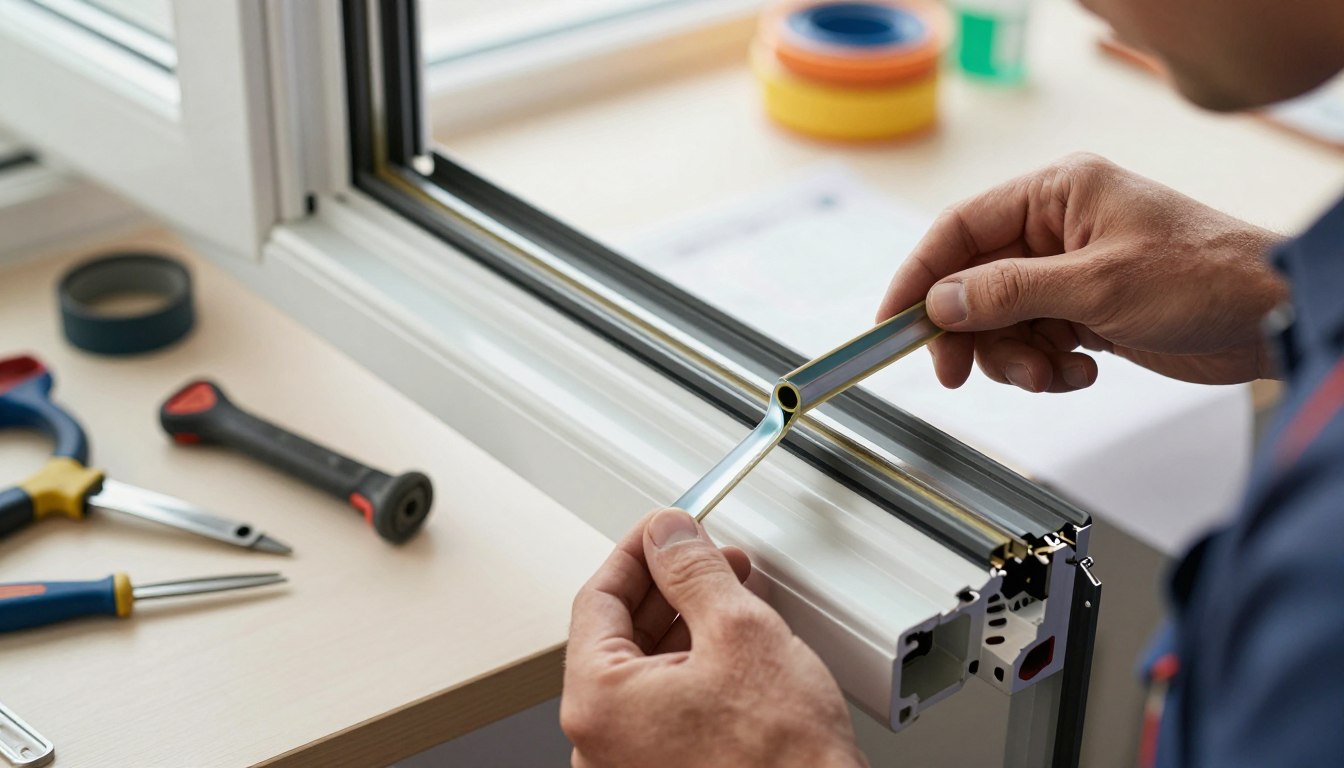
How To Replace The Rubber Seals On Aluminium Windows?

This concise guide explains why gasket strips matter in an aluminium window system and what owners can expect from a DIY swap.
Sealing strips form a compression barrier around glass and sash edges. They limit air flow, stop water ingress, cut vibration, and reduce outside sound. When gaskets harden, crack, or shrink, renewal restores performance and extends service life.
Most homeowners in South Africa can complete a basic swap using simple hand tools, accurate measuring, and steady installation. Coastal salt, strong UV, and wide temperature swings speed aging, so local relevance is high.
The article will guide readers through diagnosing failure, choosing EPDM versus PVC, measuring channels, safe removal of old material, fitting the new gasket, and testing for drafts and water tightness.
Key Takeaways
- Gasket strips provide a continuous barrier that limits drafts and leaks.
- Many tasks are DIY-friendly with basic tools and care.
- Identify whether glazing or weather seals need attention before buying parts.
- South African climates accelerate material aging; choose durable profiles.
- Proper measurement and installation restore comfort and reduce noise.
Why rubber seals fail on aluminium windows in South Africa’s climate
South Africa’s sun, salt air, and large daily temperature swings accelerate gasket ageing on many frames.
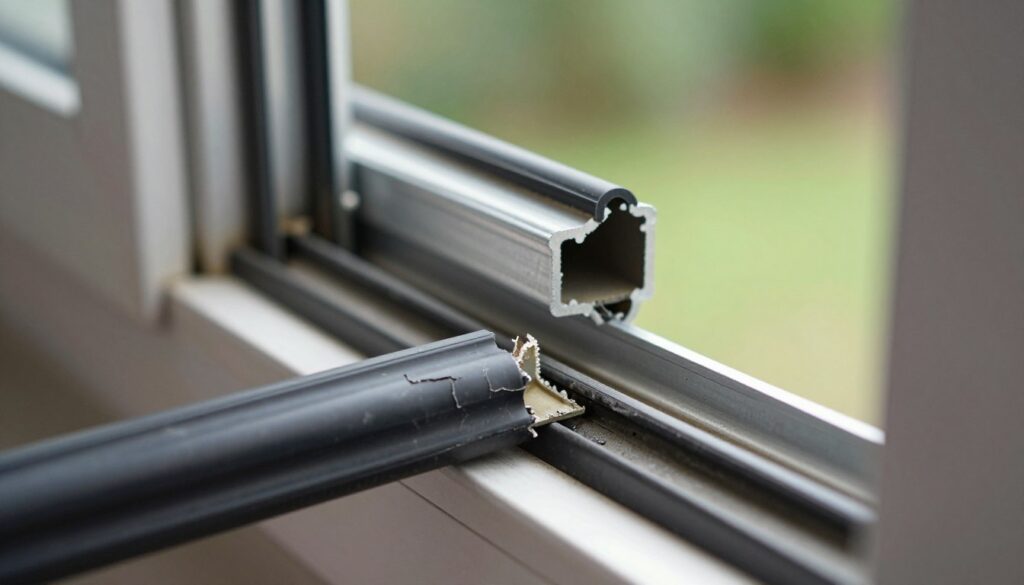
UV radiation, repeated heat cycling, and harsh cleaners change rubber chemistry over time. This leads to hardening and loss of compression recovery. Over months and years, materials lose their original elasticity and contact force.
Draughts, leaks and wind noise as early warning signs
Visible clues often come before total failure. Homeowners may feel draughts near the sash, hear a wind whistle at corners, or see water tracks after rain. These are reliable cues that service is due.
What aging looks like
Inspect for whitening or a chalky surface, micro-cracks, flattened contact faces, and shrinkage at corners. Sections that pull out of the groove or show micro-fractures are past useful life and need attention.
“Even small gaps can increase energy use and reduce comfort, especially in windy areas.”
- Reduced insulation raises heating and cooling demand.
- More outside noise and cold spots near the frame.
- Persistent condensation from uncontrolled air leakage.
Maintenance note: Aluminium frames last longer than their sealing components, so regular checks are a cost-effective habit.
How to replace the rubber seals on aluminium windows?
A short assessment will show if a local gasket refit will restore performance or if a deeper frame reseal is required.
Decision framework: If the rubber seal is intact but has lifted or shifted, a push-in gasket swap often fixes drafts and minor leaks. If it is brittle, shows whitening, or has cracks, full replacement is a more reliable long-term option.

When a gasket swap is enough
A gasket swap suits profiles that simply loosened or where the groove is undamaged. A correct-profile gasket and careful seating restore compression without altering the sash.
When frame reseal is needed
Repeat leaks, damaged corner joints, or failing mastic point to a frame reseal. That work may involve opening joining strips, cleaning old residue, and renewing sealant at corners.
Silicone as a temporary solution
Silicone sealant can provide short-term weather protection while parts are sourced. However, excess sealant can glue moving parts, block drainage, and mask underlying failure.
- Inspect → identify gasket type → measure accurately.
- Buy the matching profile → remove old material → clean the channel.
- Install without stretching the gasket → apply sealant only where needed → test for drafts and leaks.
Choosing the right replacement seal for your window frame
Matching profile shape and hardness matters more than price for lasting weather resistance. Material choice affects service life in coastal and inland South African climates. EPDM and PVC are common options and suit different demands.
EPDM for outdoor durability
EPDM offers superior UV and temperature resistance and is the preferred option for seaside exposures and long service intervals. It holds compression and resists creep better than many plastics.
PVC for light-duty applications
PVC profiles work well for interior or occasional-use openings where cost and ease matter. They are simple to fit but can harden faster in strong sun.
Glazing vs weather profiles
Glazing seals stabilise glass inside the aluminium profile. Perimeter weather gaskets block drafts and water at operable sashes.
U-channel and wedge systems
U-channel seals wrap the glass edge and suit close-fit channels. Wedge gaskets fill larger clearances and lock the glass centrally.
“A well-matched profile prevents corner separation and repeated rework.”
- Check lip geometry and Shore A hardness for correct contact pressure.
- Choose quality parts to avoid long-term gaps and pull-out.
- When unsure, contact a specialist supplier for compatibility checks.
Measure the glass, channel, and gaps before you buy a new seal
Small differences in thickness and channel size determine whether a gasket holds or slips out. Accurate dimensions reduce ordering errors and improve long-term performance.
Key measurements are simple but essential: glass thickness, internal channel width, and internal channel depth. Use calipers for glass and a tape measure for the channel if calipers are unavailable.
Glass thickness checks and common sizes
Typical glazing thicknesses are 6 mm, 8 mm, and 10 mm. Older South African homes may vary, so confirm rather than assume.
Aluminium channel internal width and depth measurements
Measure the internal channel width across the groove and note the depth. These two values dictate which profile will seat correctly.
Calculating the gap for a uniform seal
Compute remaining clearance as: internal channel width minus glass thickness equals total gap.
For wedge systems, divide that number by two for the approximate gap at each side if the glass sits centred.
Choosing a profile that won’t pull out
Decision cue: close-fit dimensions suit a U-channel profile. Larger clearances usually need a wedge or a compressible insert to stay centred.
Prefer profiles with mechanical lips that grip the window frame rather than relying on adhesive alone. Document measurements, sketch the cross-section, and photograph the existing strip before ordering.
Tools and materials checklist for a clean, long-lasting install
Preparing the right kit makes a long-lasting install far more likely than ad-hoc fixes. A focused list reduces errors, protects finishes, and shortens the job time for any window replacement task.
Essential DIY tools
A blunt scraper prevents aluminium scratching while you lift old rubber. A sharp utility knife gives straight cuts for neat corners. A tape measure provides accurate perimeter lengths and repeatable results.
Cleaning supplies
Start with soapy water to remove grime, then use isopropyl alcohol for stubborn residue. Good cleaning ensures the new profile and any applied sealant bond properly.
Finishing items and sealant choice
Masking tape makes a neat edge for silicone beads. Choose a high-modulus silicone sealant for small, controlled applications where watertightness is needed. Apply only where the profile cannot achieve full closure; allow full cure time.
- Safety: wear gloves with cutters and ventilate when using solvents.
- Quality note: clean substrate + correct material + careful seating beats quick fixes every time.
“A neat prep and the right consumables deliver lasting performance.”
Remove the old rubber seal without damaging the aluminium frame
Start removal from an accessible end and work steadily along one side. This keeps pressure even and reduces torn fragments left in the channel.
Safely lift the gasket and pull it free
Use a blunt plastic spatula or a flat wooden stick to ease up the lip. Hook a section and pull slowly in a steady motion.
Step: avoid sharp metal picks that can gouge the frame and complicate later repairs.
Dealing with stuck sections and old residue
Aged sealant often bonds rubber to aluminium. Make light scraping passes with a blunt tool and wipe softened residue with solvent on a rag.
Work patiently — repeated gentle passes save time that would be spent on repairs later.
If the frame needs separation
If the profile traps the glazing, loosen screws at joining strips and open joints little by little. Keep screws and parts organised for a square reassembly.
Careful disassembly protects thin edges and preserves the channel geometry needed for a correct fit when new seals are installed.
“Slow, controlled removal reduces rework and protects finishes.”
Prep the channel and glass for maximum grip and fewer leaks
A clean channel and dry glass are the foundation of a lasting gasket install. Proper preparation removes contaminants that stop a seal from seating uniformly. This step prevents early failure and reduces reliance on extra sealant.
Deep cleaning the seal groove
Scrub the channel with warm, soapy water to lift dust and grime. For mineral buildup, use a mild descaler applied carefully and rinsed away.
Finish by wiping the groove with isopropyl alcohol to remove oily films and traces of old mastic. This leaves a consistent surface where rubber can grip.
Drying fully before installation
Allow the channel and glass to air-dry or wipe with a lint-free cloth. Leftover moisture can stop a sealant from curing and let the gasket slip, creating gaps when the window moves.
- What clean looks like: no loose debris, no visible mastic ridges, and a consistent channel depth.
- Coastal note: rinse away salt deposits near the sea to reduce corrosion risk and improve seating.
“Careful prep reduces leaks at corners and lower rails where water usually tracks.”
Install the new rubber seal and test for draughts and water ingress
A neat install begins with precise cuts and careful seating; corners are where most failures start. Measure the perimeter, cut each strip to size with straight cuts, and form tight mitered corners for a clean join.
Cutting and corner work
Mark each length on a flat surface and cut squarely with a sharp blade. Use tight mitres at corners to reduce pinholes where leaks often begin.
Fitting technique
Do not stretch the new gasket during fitting. Begin at one end, press evenly into the channel, and allow the rubber to sit naturally to avoid shrink-back gaps.
U-channel and wedge methods
For close-fit glazing, seat the U-channel around the glass and press the assembly into the frame. Apply a small, controlled bead of suitable sealant only where needed.
Where larger gaps exist, centre the glass and press the wedge gasket into each side. Use packing if required to keep uniform compression and stable glazing.
Finish, check and test
Masking tape helps a neat sealant fillet. Close the sash, check for even compression and any rub points, then perform a backlight inspection.
Finish with a controlled water test. Pass criteria: no draughts, no audible whistles, smooth operation, and no water tracks inside.
Conclusion
Correct profile choice and neat corner joints extend functional life and reduce maintenance.
This short guide shows that accurate measuring, matching the right strip, and careful seating usually give the most durable seal results for any window frame.
When contact is consistent, owners see better insulation, fewer draughts, and less outside noise. A proper fit also limits water ingress and cuts the need for repeated sealant work over time.
Check seals periodically in strong sun and coastal weather. If measurements are unclear or a profile is discontinued, contact a specialist supplier or installer for advice.
Final reminder: keep the channel clean, use sealant sparingly, and complete a water test to confirm quality before finishing the job.